Culture & Society
Ngingão Cultural
Articles on Angolan politics, human rights, cultural diplomacy, and community life — with a forum for debate and a radio stream.
Visit Culture Section →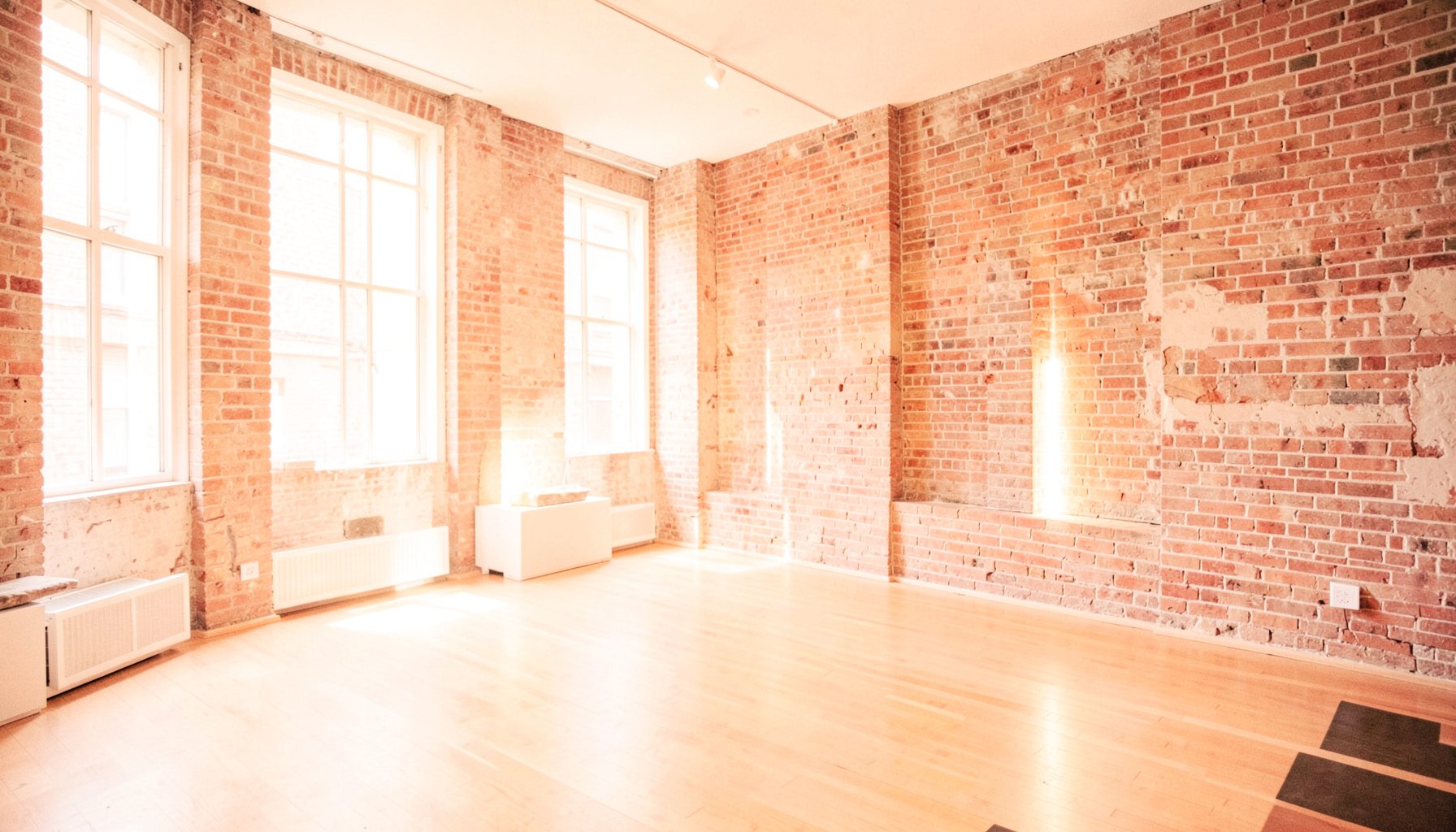
What We Cover
Diadiss brings together cultural journalism, practical resource guides, personal commentary, and event listings in one place.
Culture & Society
Articles on Angolan politics, human rights, cultural diplomacy, and community life — with a forum for debate and a radio stream.
Visit Culture Section →
Free Media
A practical guide by Bernhard Raestrup (17.11.2005) on sourcing free images from Wiki-Commons and navigating licensing risks.
Browse Resources →
News & Commentary
Personal updates covering topics from Harry Potter fever (July 2005) to bird flu (October 2005), with a weekly newsletter service.
Read the Blog →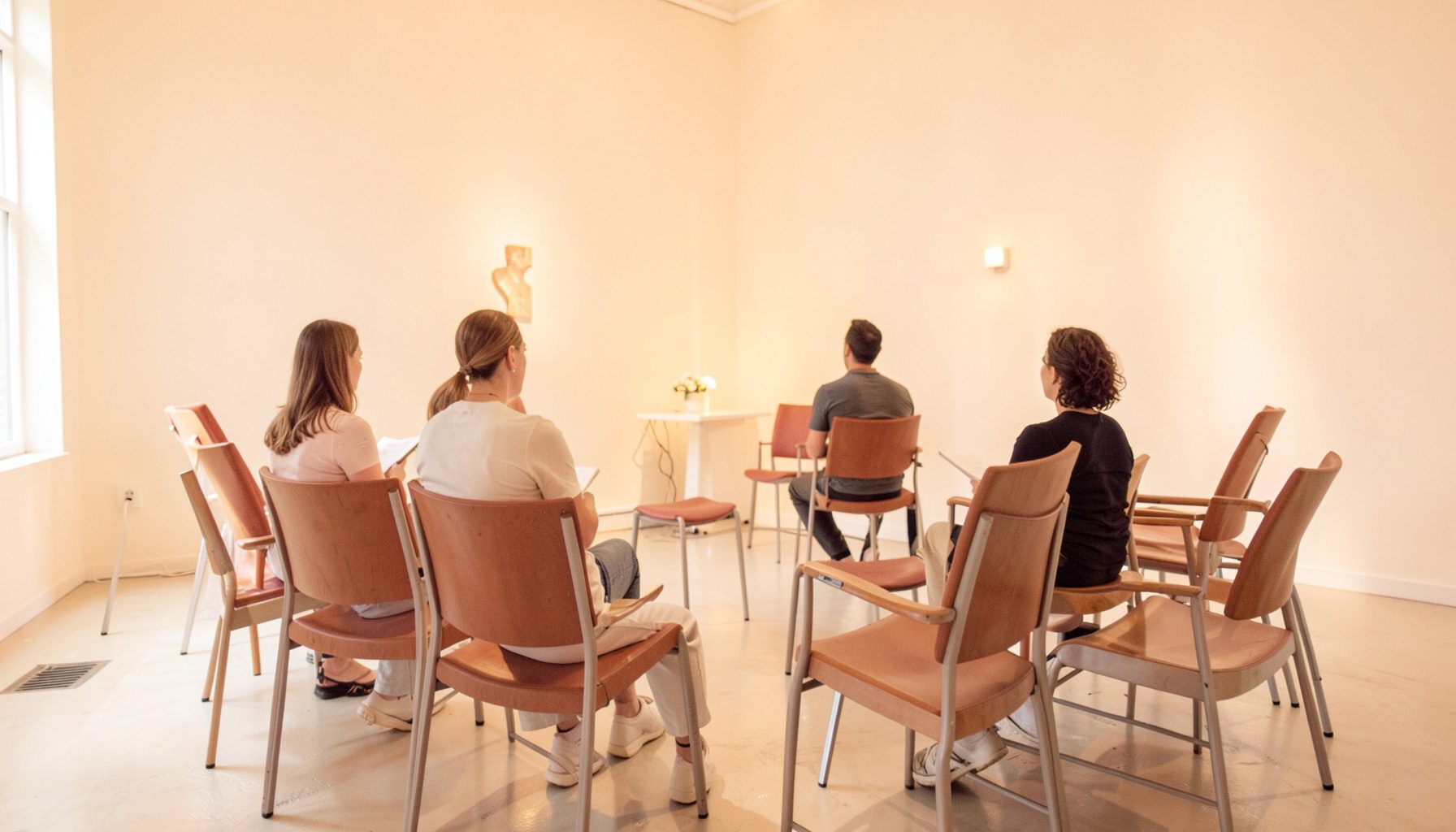
Events
Listings for readings and exhibitions, including a Beat Generation literature evening at Multikulti Gallery Bochum.
View Events →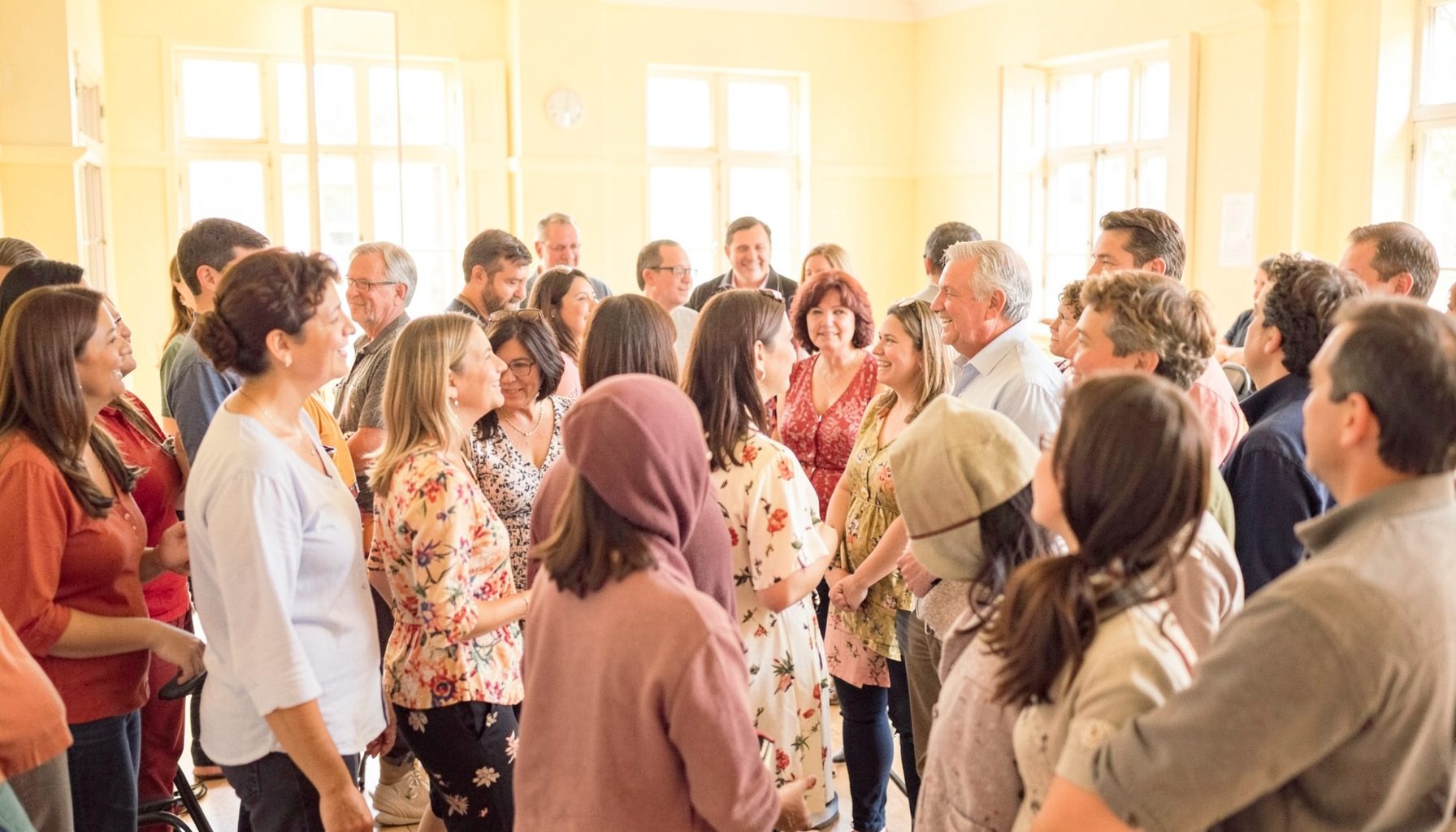
Community
Coverage of independence celebrations in Germany and England, plus the first meeting of Angolans in North Rhine-Westphalia.
Learn More →
Debate
Join discussions on human rights in Angola and other topics raised by community members in the Ngingão Cultural forum.
Join the Discussion →Featured Event
On Monday, 5 December 2005 at 19:30, the Bochum cultural initiative "Lesbar" presented a multimedia recitation evening on the literature and spirit of the Beat Generation — Kerouac, Ginsberg, and company.
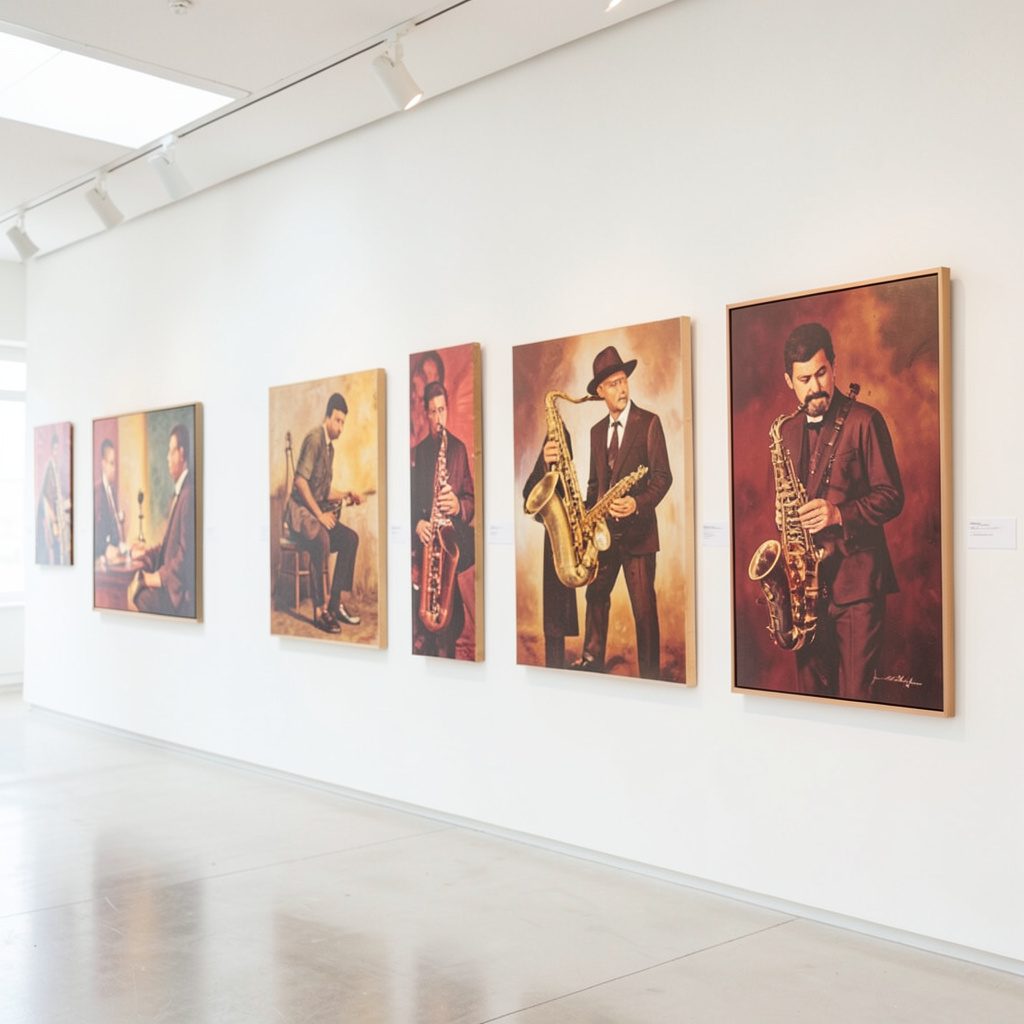
Graphic artist Ingrid Müller Marx exhibited a cross-section of her jazz-themed paintings while capturing the evening in live drawings. The reading was led by Benno Raestrup.
Jazz-themed exhibition by Ingrid Müller Marx with live drawing during the reading.
Readings from Kerouac, Ginsberg, and other Beat Generation writers.
A combined recitation, visual art, and music experience.
Admission was 3 Euro.
The Angolan diaspora carries with it a living archive of memory, music, and political consciousness. Far from home, communities across Europe continue to nurture the languages, rhythms, and debates that shape contemporary Angolan identity. This portal exists to gather those threads — not as a museum of nostalgia, but as a space where culture remains a daily practice, constantly reinterpreted by those who live between worlds.
Cultural journalism here moves beyond surface-level representation. It engages with the structural questions underpinning Angolan society: governance, human rights, memory politics, and the role of art in civic life. By foregrounding critical perspectives alongside creative expression, the platform aims to foster a reading public that is as politically literate as it is culturally curious.
Open access to multimedia resources forms a quiet backbone of the project. Free libraries of film, music, photography, and literature are surfaced through curated guides, making it easier for researchers, students, and the simply curious to encounter Angolan cultural production without institutional gatekeeping. The emphasis rests on discoverability and the democratic distribution of knowledge.
Community event listings map the pulse of diaspora life across European cities. From book launches and film screenings to informal gatherings and public debates, these listings function as more than a calendar — they sketch a cartography of belonging, revealing where and how Angolan communities gather, celebrate, and contend with the questions that travel alongside them.
The editorial voice blends personal commentary with journalistic rigor. Reflective essays sit alongside reported pieces, acknowledging that lived experience is itself a form of expertise. This tonal range mirrors the complexity of diaspora subjectivity: neither purely detached nor purely autobiographical, but moving fluidly between registers as the subject demands.
A dedicated forum and radio stream extend the portal beyond static publication. The forum invites dialogue that is often missing from one-way media, while the radio stream carries music and spoken-word programming that connects listeners to Angola's sonic landscape. Together they transform the site from a magazine into a living room for dispersed community.
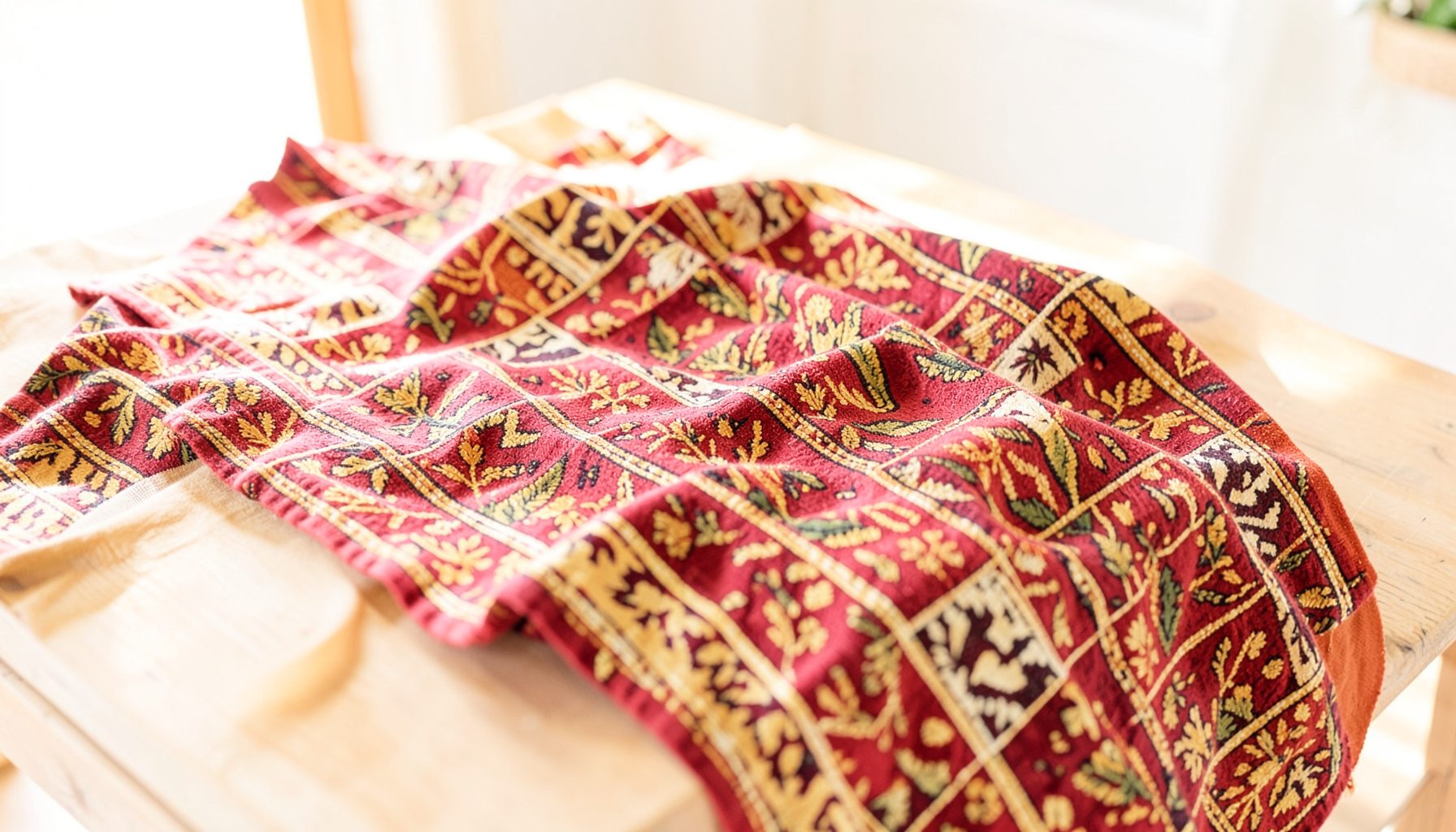
Design choices reinforce the editorial ethos. Warm sepia-toned imagery, deep maroon backdrops, and amber accents evoke a heritage aesthetic without slipping into nostalgia. Generous spacing, rounded card interfaces, and sans-serif typography keep the reading experience contemporary — grounded in print traditions but built for digital attention spans.
Ultimately the portal operates on a simple premise: that culture is a resource, not a commodity. By aggregating journalism, practical guides, event information, and free media into one navigable space, it lowers the threshold for participation in diaspora intellectual and creative life. The invitation is open — to read, to listen, to speak.